Ambush marketing is not just a creative strategy. It is a legal risk area operating at the intersection of intellectual property, unfair competition, and sports law. In Ecuador, where there is no specific regulation on the matter, the legal analysis is more complex — and more relevant — than many companies assume.
The context changing the rules
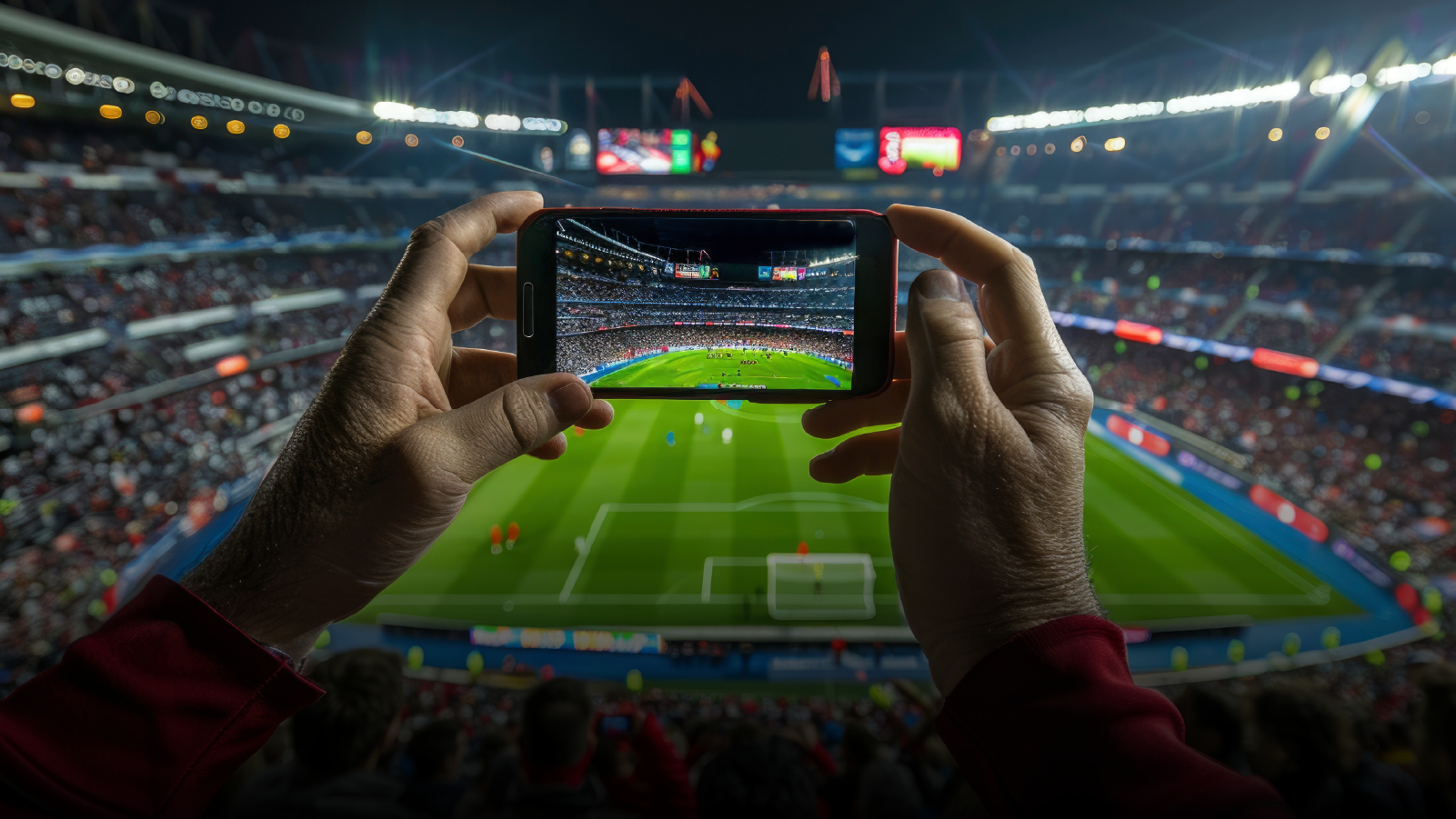
The 2026 World Cup is not just another sporting event. Hosted across three countries — the United States, Canada, and Mexico — and with a projected audience of more than five billion people, it represents the year’s largest commercial exposure platform. For brands, this means an extraordinary positioning opportunity. And an equally extraordinary risk.
In an event of this magnitude, the line between leveraging the context and appropriating assets that do not belong to you is thinner than it seems. Crossing that line — even unintentionally — can have real legal consequences.
What ambush marketing is and why it matters now
Ambush marketing refers to the practice by which a brand seeks to associate itself with an event — and benefit from its visibility — without having acquired official sponsorship rights. This is not a new concept. However, the digital environment has made it more frequent, more diffuse, and more difficult to control.
There are two main forms:
– Direct: unauthorized use of registered trademarks, logos, emblems, or official event denominations. This is the most obvious form and the easiest to identify legally.
– Indirect or associative: creating a perceptual connection with the event without using any protected assets. Campaigns that rely on colors, narratives, aesthetics, and timing so that consumers assume an official relationship that does not actually exist.
It is this second form that dominates today — and the one that raises the most complex legal challenges.
The legal framework in Ecuador: what exists and what is missing
Ecuador does not have specific legislation regulating ambush marketing. This does not mean there is a complete legal vacuum. It means that the legal analysis must be built from different legal disciplines, applying criteria that do not always converge.
From an intellectual property perspective, the principle is clear: unauthorized use of protected distinctive signs constitutes infringement. FIFA trademarks are registered in Ecuador. Its emblems, logos, slogans, and typographies are protected. Any unauthorized commercial use may lead to legal action.
FIFA has issued the “FIFA Intellectual Property Guidelines” for the 2026 World Cup. This document clearly defines what constitutes official intellectual property, which activities are prohibited, and which elements may be used legitimately. For licensees and sponsors, the guidelines are mandatory. For third parties, they are informative — but they represent the criteria FIFA will use to assess potential infringements.
From a competition law perspective, the analysis shifts toward unfair competition and misleading advertising. The issue is not only the use of a trademark. It is the possibility of misleading consumers into believing that an official commercial relationship exists. When a campaign causes the public to assume there is a sponsorship or official connection with the event — when none exists — it enters the realm of unfair practices.
The determining factor is not the formal similarity to protected assets. It is consumer perception.
Where the line is drawn
This is the question every company should ask before launching a World Cup-related campaign.
You cannot use the FIFA trademark. You cannot use the term “FIFA World Cup.” You cannot use official logos, emblems, or typographies without authorization. That is clear.
But you also cannot create a campaign that, without using any of those elements, leads consumers to believe the brand is an official sponsor of the event. Even if the World Cup is never mentioned, even if no protected sign appears, if the perceptual association is evident, legal risk exists.
What is permitted
The analysis does not end in prohibition. There are legitimate ways to participate in the World Cup environment.
FIFA’s own guidelines recognize that the use of generic football imagery, references to national teams, and national flags does not, by itself, constitute infringement. Nor is it unlawful to build an original narrative that takes advantage of the event’s timing without appropriating official assets.
The distinction lies between context and appropriation. Communicating within the World Cup environment is legitimate. Suggesting a relationship with the World Cup that does not exist is not.
The role of legal counsel
In this context, preventive legal advice is not optional. It is part of the campaign structure.
The objective is not to limit creativity. It is to channel it within a framework that is legally sustainable. A campaign designed with legal criteria from the conceptual stage not only reduces risk. It also creates a competitive advantage: it allows brands to execute more freely because the boundaries are clearly defined.
In the digital environment, risks are amplified. The speed of content distribution, the use of hashtags containing protected terms, influencer campaigns, and AI-generated content all increase exposure. Technology does not exempt liability; in many cases, it intensifies it.
Conclusion: the World Cup as a business decision
For Ecuadorian companies, the 2026 World Cup is not merely a media phenomenon. It is an environment in which communication decisions carry direct legal consequences.
The question is not whether to participate. It is how to do so.
Brands that execute effectively do not improvise. They design their communication strategies with specialized legal advice from the outset — and in a high-exposure environment, that makes all the difference.